
Facial Fillers Gallery
$$MultiPurposeText$$
See examples of our Facial Fillers work and results.


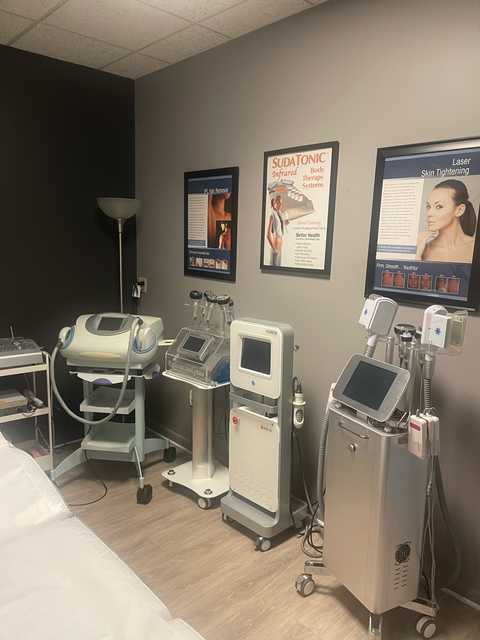

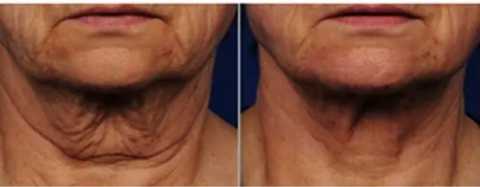


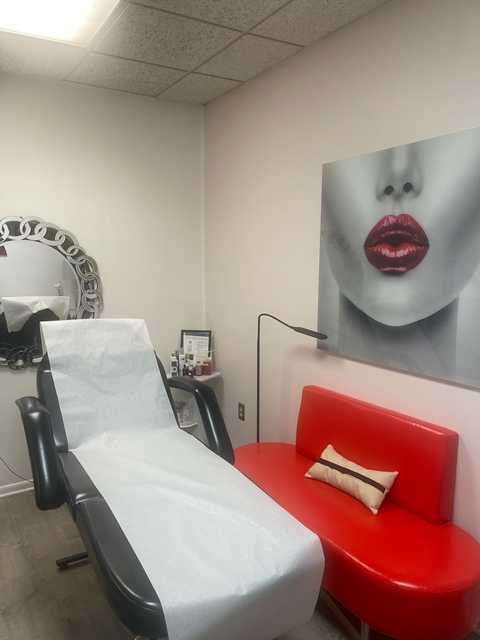
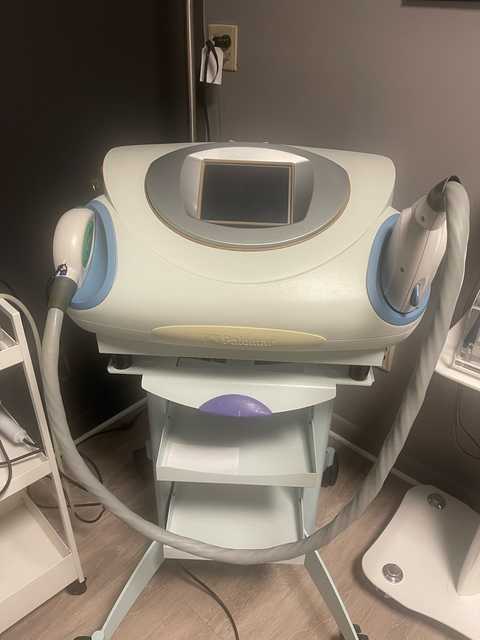

What Our Clients Say
$$MultiPurposeText$$
Read testimonials from our satisfied customers

I received excellent service at Youthful Retreat! I’ve been under a lot of stress and I ca...more

I went to 2 other places for Botox ready to give up (still not even satisfied even after t...more

I went to Janet for my first time getting Botox, she was great! She made me so comfortable...more

Hands down my best experience getting Botox!! There isn't one negative thing to say about...more

Frequently Asked Questions
Get answers to common questions about Facial Fillers.
Duration varies by filler type, treated area, and metabolism. Hyaluronic acid fillers often last 6–18 months; thicker or longer-lasting products can persist longer. Your provider will recommend product and maintenance schedule during consultation to maximize and personalize results.
When administered by licensed professionals, fillers have strong safety records. Common temporary side effects include swelling, bruising, redness, and tenderness. Serious complications are rare but can include infection or vascular occlusion; screening, technique, and aftercare minimize risks.
Our approach emphasizes subtle, proportional enhancements tailored to your facial anatomy. We employ conservative placement and gradual adjustments to avoid an overfilled appearance. Discussing desired outcomes and reviewing before-and-after photos ensures natural-looking results aligned with your aesthetic goals.
Most patients return to normal activities immediately. Expect mild swelling or bruising for a few days; applying ice and avoiding strenuous exercise reduces symptoms. Follow specific aftercare instructions and schedule any follow-up touch-ups as recommended by your clinician.
Yes—fillers are frequently combined with neuromodulators like Botox, Dysport, or Jeuveau to address volume loss and dynamic lines together. Combining treatments creates a more comprehensive, balanced rejuvenation; your provider will design a safe, staged plan.
Costs vary by product, treatment area, and number of syringes. During consultation we provide transparent pricing and personalized quotes. We offer package options, seasonal promotions, and financing to make treatments accessible; exact pricing is given after assessment.
Read more about Facial Fillers
$$MultiPurposeText$$
Explore our latest insights and guides on Facial Fillers.

Understanding Botox & Fillers: What You Need to Know in Grand Blanc
Published On: June 24, 2026


Your Guide to Botox & Fillers in Grand Blanc: Options to Consider
Published On: June 29, 2026

Navigating Botox & Fillers: Your Guide to Options in Grand Blanc
Published On: July 1, 2026

Augment Your Natural Beauty with Botox & Fillers in Grand Blanc
Published On: June 10, 2026


Navigating Botox & Fillers: Your Guide to Youthful You Retreat in Grand Blanc
Published On: June 19, 2026